
PALESTINE ORPHAN AND YOUTH SPONSORSHIP PROGRAM
Your Wings, Their Dreams
SITUATION IN GAZA
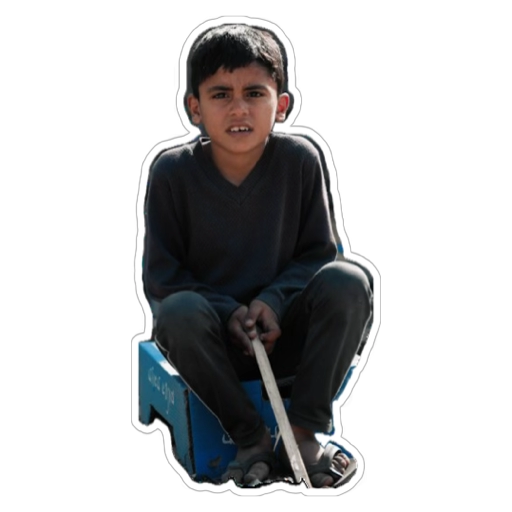
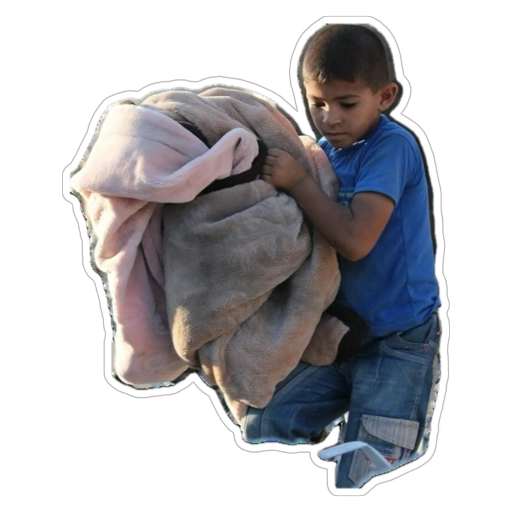
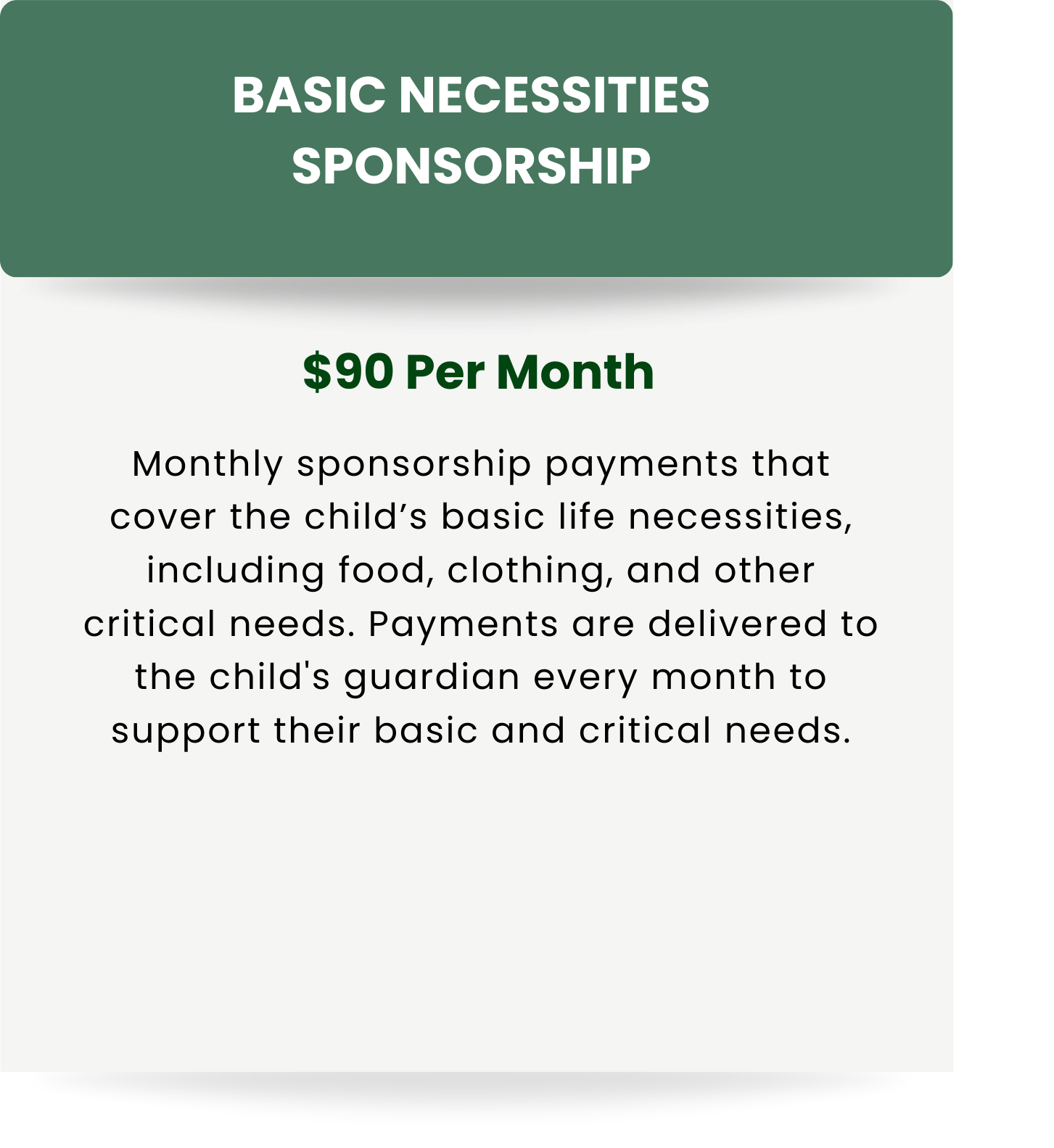
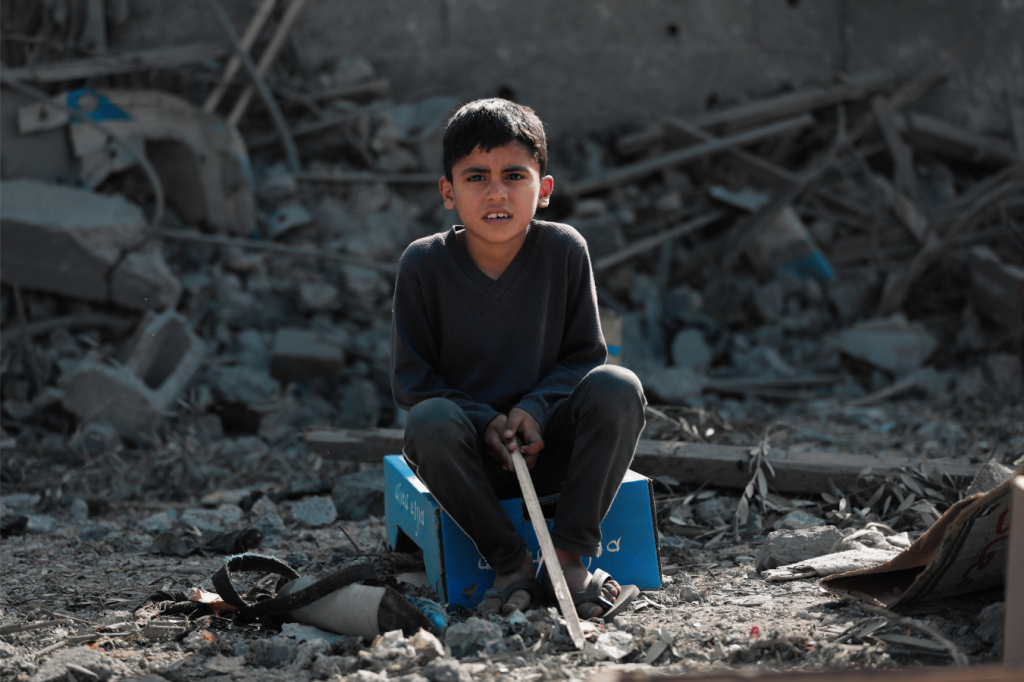
Currently, Gaza faces the largest orphan crisis in the world, with over 39,000 children in the region having lost one or both parents.
Our Orphan and Youth Sponsorship Program is dedicated to supporting these orphans, as well as the many vulnerable youth within the region, by fulfilling their most basic life necessities, while also providing access to education and developmental programs through our Ajniha Youth Community Centre.
ORPHAN SPONSORSHIP OPTIONS
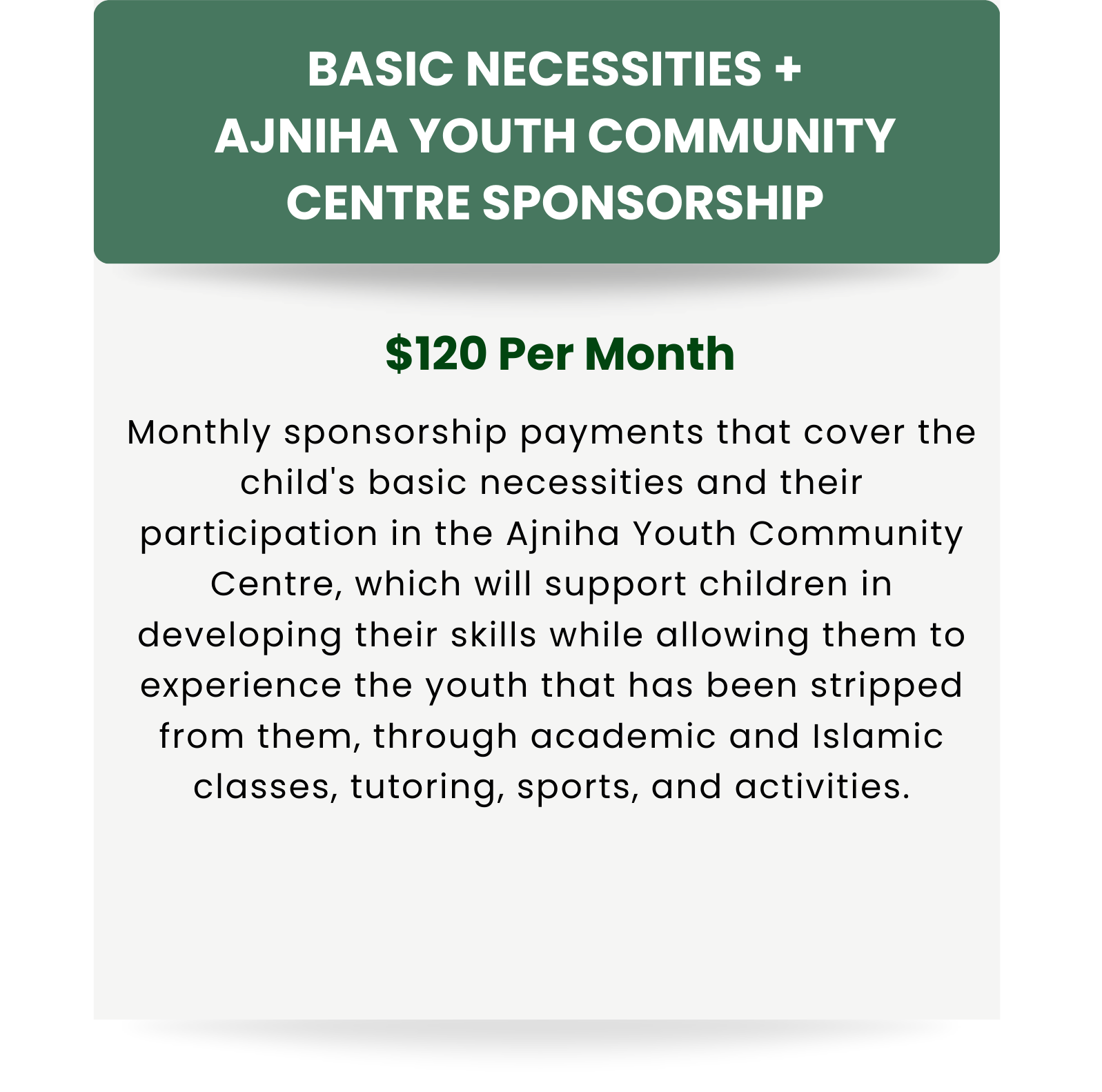
You can support our program in 3 ways:

The Ajniha Welfare Society has developed a robust intake process to efficiently intake orphans and vulnerable children, connect them to a sponsor, and distribute a stipend to cover their basic needs via the 5 following steps:


The Ajniha Youth Community Centre seeks to support children affected by war and genocide by helping them develop essential skills, heal from psychological trauma, and reclaim the youth that has been taken from them.
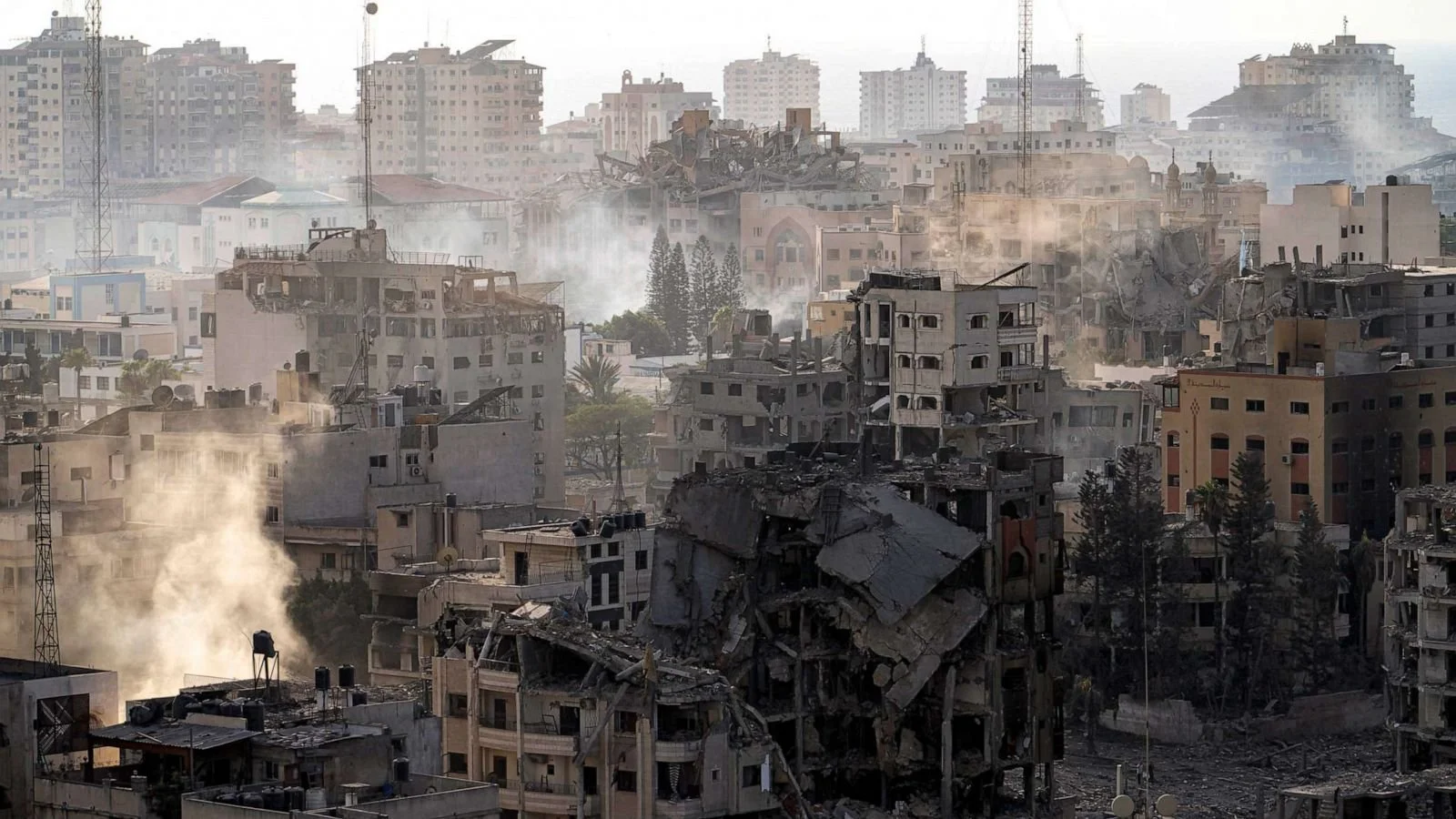
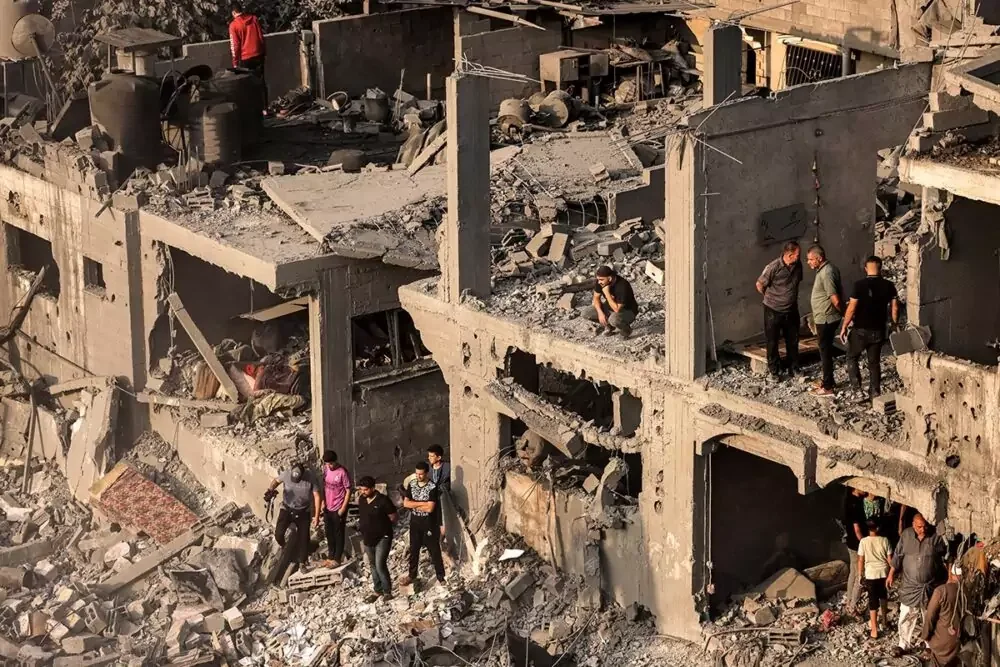
The genocide in Gaza has resulted in unprecedented devastation, causing orphans and vulnerable youth to endure extreme hardship and bear long-lasting psychological scars. While numerous humanitarian organizations are rightfully focusing on meeting the critical needs of these children, their psychological, social, and developmental needs sometimes get overlooked. Insufficient schools and youth infrastructure within the region further exacerbate the lack of focus on youth development.
The Ajniha Youth Community Centre aims to bridge this gap by providing a safe and nurturing environment for orphans and vulnerable youth. Through academic and Islamic classes, tutoring services, sports programs, and structured recreational activities, the centre will promote education, emotional healing, and social well-being, empowering youth to rebuild their lives with resilience and hope.

Frequently Asked Questions
Still have questions? Take a look at the FAQ or reach out anytime. If you’re feeling ready, go ahead and donate.
GENERAL ORGANIZATIONAL INQUIRIES
-
Out of the applicable monthly sponsorship amount, 75% will be allocated to the orphans' basic needs, while the 25% will be allocated to the costs required to develop or operate the Ajniha Youth Community Centre.
Before the launch of the Ajniha Youth Community Centre, funds will be allocated towards the development and construction. Upon the community centre’s launch, the sponsorship will be pooled to cover the maintenance and operations of the community centre. -
If the “Fully Zakat Eligible” field is selected, the Ajniha Welfare Society will allocate donations from our administrative fund to cover the bank/transfer expenses needed in delivering the donation.
If the “Fully Zakat Eligible” field is not selected, Approximately 90% of the donations are directed to the cause, while the remaining 10% is used to cover bank/transfer fees and other administrative expenses. Any fees exceeding 10% are covered by Ajniha out of the General Sadaqah/Most Needed fund, rather than being deducted from the donations."
-
If a sponsor decides to cancel, they have to let the Ajniha Welfare Society know 3 months in advance to allow for enough time to find a replacement sponsor for that orphan using the following email: ajniha.ws@gmail.com
AJNIHA YOUTH COMMUNITY CENTRE INQUIRIES
-
In 2025, the Ajniha Welfare Society set out on a new mission, transitioning the organization beyond temporary relief projects and towards long-term initiatives premised on community building and sustainable impact.
The Ajniha Youth Community Centre serves to fulfill this community-building mission by providing orphans and vulnerable youth who have been psychologically scarred from war and genocide the opportunity to experience the childhood and community that has been unrightfully stripped from them.
In addition to providing orphans and vulnerable children with psychological and social support, the community centre aims to nurture and develop children mentally, physically, and spiritually through academic, sports, and Islamic programs.
As Gaza moves towards stabilization, we will support these children in overcoming the trauma they have faced while fostering their long-term development.
-
The Ajniha Welfare Society is working with educators to develop lesson plans that will supplement the lessons that are currently being taught at learning institutions in Gaza.
Math, Language, and Science sessions at the community centre will aim to reinforce concepts that are currently being taught to children based on the current curriculum developed and overseen by the Ministry of Education, Palestine. This will be achieved through providing concept reinforcement lessons, additional worksheets, tutoring, and extra help.
-
The Ajniha Youth Community Centre is in the finality of its planning. The development and building of the centre is expected to take a month for completion, with an expected launch of the centre in April 2026.
-
Our partner charity in Gaza has confirmed that approximately 2/3rds of the orphans on our current list are registered in temporary schooling. In this scenario, classes typically operate from 8:00 AM to 12:30 PM.
SPONSORSHIP RELATED INQUIRIES
-
The following donation options are zakat eligible if the “Fully Zakat Eligible” field is selected:
Basic Necessities Sponsorship,
Most Needed + Ajniha Youth Community Centre (Non-Recurring)
In this scenario, the Ajniha Welfare Society will allocate donations from the organization’s administrative fund to ensure that 100% of your donation is transferred to the cause.
If the “Fully Zakat Eligible” field is not selected, the Basic Necessities Sponsorship and the Most Needed + Ajniha Youth Community Centre (Non-Recurring) options are 90% zakat eligible. 10% will be used to cover bank transfer and processing fees (based on historical records).
The Basic Necessities + Ajniha Youth Community Centre Sponsorship option is also partially zakat-eligible, as there is a difference of opinion on the classification of money used to develop and operate a community centre as eligible for zakat.
In the Quran, Surah At-Tawbah (9:60) lists eight categories of individuals who are eligible to receive zakat. Zakat can be given for:
(1) the poor (al-fuqarāʾ),
2) the needy (al-masākīn),
(3) those employed to collect it
(4) those whose hearts are to be reconciled
(5) freeing slaves
(6) those in debt
(7) the path of Allah
(8) and the stranded traveller
Covering the basic needs of an orphan or a vulnerable child falls under the first two categories of zakat.
Note**: There is a difference of opinion on whether donations used to cover project-related fees (transfer, processing, admin) or for community initiatives are eligible for zakat. Ajniha Welfare Society follows the opinion that donations for these purposes are not zakat eligible. However, based on discussion with trusted scholars, we have confirmed that donations allocated to administrative costs are considered sadaqah.
-
Islamically, a child is considered an orphan “yatim” if the following conditions are met:
If the father is deceased AND
If the child has not reached the age of puberty (according to our discussions with students of knowledge, the threshold for a yatim is 15 years old. Beyond this, they are not considered a yatim.)
-
Vulnerable children include individuals who are not yatim but are under the age of 18 who have lost one or both of their parents and are experiencing difficult financial circumstances.
-
The Ajniha Welfare Society will perform bi-monthly checks on the orphans via our case workers at Al Nasser Charitable. Case workers will visit the residences of the orphans and will document the condition of the orphan, determining if any other needs are required (food, water, clothing, shelter, medical). Sponsors of the orphan will be requested to provide additional assistance if new needs arise. If the sponsor is unable to provide, the Most Needed Donation bucket will be allocated to fulfill these additional needs.
-
To determine which orphans are a priority for sponsorship, orphans will be assessed based on the following 6 criteria:
Age: What age range does the orphan fall under (0-5, 6-10, 11-14)?
Caregiver Capacity: Does the orphan's guardian/caregiver have the ability and income to take care of the orphan?
Household Members: How many individuals does the orphan live with?
Household Income: Under which category does the orphan's household income fall (0-50 shekels, 50-200 shekels, 200+ shekels)?
Health and Special Needs: Does the orphan have any health conditions? If so, what is the severity of health conditions faced by the orphan?
Living Conditions and Basic Needs Assessment: What is the level of hardship in the orphan’s current living conditions? What basic needs are not currently being fulfilled?
Each criterion will have a ranking from 1 to 3 and a rationale behind that ranking. Priority scores are tallied up to OBJECTIVELY determine which orphan is in most need of the sponsorship.
The Prophet (peace be upon him) said, “I and the person who looks after an orphan and provides for him, will be in Paradise like this,” putting his index and middle fingers together.”
(Bukhari)